Find Water Drop Hammer Mill for Flour, Corn, and Cereals
Source 30 verified water drop hammer mills designed for efficient grinding of flour, corn, and cereals. Compare specifications, prices, and customization options from multiple suppliers to find the right equipment for your production needs.
Key considerations
Products List




Comprehensive Sourcing Guide
Strategic Sourcing Guide for Water Drop Hammer Mill Equipment
Procuring industrial grinding machinery requires a disciplined approach that balances technical performance with supply chain reliability. The water drop hammer mill represents a specialized category of grinding equipment designed for high-efficiency processing of various materials. For buyers entering this market, understanding the specific operational characteristics, material compatibility, and compliance requirements is essential before initiating vendor engagement. This guide outlines the critical factors for sourcing this equipment, drawing on verified product attributes and industry standards to ensure a robust procurement strategy.
Technical Specifications and Operational Capabilities
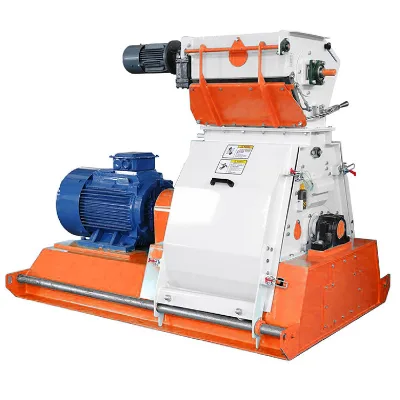
The core functionality of a water drop hammer mill relies on its unique mechanical design, which distinguishes it from standard impact crushers or traditional hammer mills. The equipment is characterized by a heavy-duty structure that ensures stability during high-output operations. Key technical observations indicate that these units are engineered for continuous working capabilities, allowing for sustained production cycles without frequent downtime. The design prioritizes a smooth feeding mechanism to prevent blockages, a common issue in high-volume processing environments.
Performance metrics for this equipment often highlight high efficiency and low energy consumption as primary advantages. The internal configuration utilizes a specific grinding wheel or hammer assembly that delivers a fine grinding effect, ensuring uniform particle size distribution. Buyers should note that the machine is often described as having a compact design, which is beneficial for facilities with space constraints. The operational noise levels are typically managed to be low, contributing to a more environmentally friendly working environment.
When evaluating the technical specifications, the controlling mode is a critical differentiator. While some modern iterations may offer automated controls, the observed data includes units with an artificial controlling mode, requiring operator intervention for specific adjustments. The precision of the grinding process is generally high, supported by the use of high-strength materials for the grinding components. The machine is capable of handling materials in powder form, with a screen mesh system integrated to control the final particle size. The processing object for these mills often includes cereals and other dry materials, suggesting a primary application in food and feed processing sectors.
Material Compatibility and Processing Applications
The versatility of the water drop hammer mill is defined by its ability to process a wide range of raw materials. The primary processing objects identified include cereals, corn, and other dry agricultural products. The equipment is specifically noted for its capability to handle corn as a press material, indicating its relevance in flour milling and feed production industries. The main material of construction is frequently 304 stainless steel, which is essential for food-grade applications to prevent contamination and ensure hygiene. In some configurations, carbon steel may also be utilized, though buyers must verify the specific material composition based on their intended application.
The processing technics employed by these mills often involve a mixing-before-crushing sequence. This approach ensures that the material is uniformly prepared before the impact grinding phase, leading to more consistent results. The machine is designed to handle large capacities, making it suitable for industrial-scale operations. The screen mesh is a critical component for quality control, allowing operators to select the desired fineness of the output. The "water drop" designation in the name often refers to the specific trajectory of the material within the chamber, which enhances the grinding efficiency and reduces wear on the components.
Applications for this equipment extend beyond simple grinding. The heavy-duty structure and stable performance make it suitable for various industries, including feed production, flour milling, and general powder processing. The multi-purpose nature of the machine allows it to adapt to different production needs, provided the material characteristics align with the machine's design limits. Buyers should assess whether their specific raw materials, such as corn or other cereals, fall within the operational parameters of the available models.
Compliance, Certification, and Safety Standards
Ensuring that the purchased equipment meets international safety and quality standards is a non-negotiable aspect of B2B procurement. The observed product data indicates that many units come with CE certification, which is a mandatory conformity mark for products sold within the European Economic Area. This certification verifies that the machine meets EU safety, health, and environmental protection requirements. Additionally, some listings reference ISO RoHS and ISO9001 certifications. ISO9001 is a quality management standard that ensures the manufacturer has consistent processes in place, while RoHS compliance indicates that the equipment does not contain restricted hazardous substances.
When verifying compliance, buyers must request official documentation rather than relying solely on marketing claims. The presence of a CE mark should be accompanied by a valid Declaration of Conformity. Similarly, ISO certifications should be verified against the issuing body's registry. The product standards listed often include specific dimensions or model codes, such as 500500600, which may refer to the physical footprint or internal chamber dimensions. Buyers should confirm that these dimensions align with their facility's layout and power supply requirements.
Safety is further reinforced by the design features of the machine, such as the stable working conditions and safe, reliable operation. The use of imported knife materials, such as those from Europe, can also be a proxy for quality, as these components are often subject to stricter manufacturing standards. However, the specific origin of these parts should be confirmed in the technical datasheet. Compliance with local regulations in the buyer's country is equally important; for instance, electrical standards must match the local voltage requirements, which are often 380V for industrial machinery.
Cost Drivers and Pricing Factors
The pricing of water drop hammer mills is influenced by a complex interplay of factors, including material quality, capacity, and customization options. The observed price range in the market spans from approximately $150 to $160,000, reflecting the vast difference between small-scale units and large industrial systems. Several key drivers contribute to these cost variations. The primary material used, such as 304 stainless steel versus carbon steel, significantly impacts the base price. Stainless steel units command a premium due to their durability and suitability for food-grade applications.
Customization is another major cost driver. The availability of customized options allows buyers to tailor the machine to specific production needs, but this inevitably increases the unit cost. The model series, such as the "Fourth" press series or specific model codes like SWSPS and BXM, also correlates with price. Higher-end models with advanced features like high precision, automatic grades, or specialized grinding wheels will be positioned at the higher end of the price spectrum.
The minimum order quantity (MOQ) observed ranges from 1 to 5 units, which can affect the per-unit cost for buyers looking to purchase in bulk. While single-unit purchases are possible, larger orders may negotiate better terms. Packaging costs, typically involving wooden pallets or wooden boxes, are also factored into the final price. Buyers should be aware that shipping and logistics, particularly for heavy machinery, can represent a significant portion of the total landed cost. It is advisable to request a detailed breakdown of costs to understand the value proposition of each price point.
Supplier Evaluation and Quality Assurance
Selecting the right supplier is critical for ensuring the long-term success of the procurement. Buyers should evaluate suppliers based on their adherence to quality standards, specifically ISO9001, which indicates a commitment to consistent manufacturing processes. The origin of the equipment, often listed as China, should be verified to understand the supply chain dynamics and potential logistics challenges. The condition of the equipment, typically listed as "New," must be confirmed through inspection or third-party verification to avoid receiving refurbished or used units misrepresented as new.
Quality control measures should be a central part of the supplier evaluation process. Buyers should inquire about the testing procedures used for the grinding wheels, knives, and other critical components. The use of imported materials, such as knives from Europe, should be substantiated with proof of origin. The precision of the machine, described as "High Precision," should be validated through performance data or sample testing. Additionally, the stability of the machine's performance over time is a key indicator of quality.
Suppliers should be transparent about their production capabilities and lead times. While specific lead times are not provided in the general data, buyers must establish clear timelines for manufacturing, testing, and shipping. The packing method, whether wooden pallets or wooden boxes, should be sufficient to protect the equipment during transit. Buyers should also assess the supplier's after-sales support, including availability of spare parts and technical assistance, as these factors are crucial for maintaining operational continuity.
Long-Term Procurement and Maintenance Considerations
Sourcing a water drop hammer mill is not just a one-time transaction but the beginning of a long-term operational relationship. The maintenance requirements of the equipment are influenced by its design and the materials it processes. The heavy-duty structure and stable performance are designed to minimize wear and tear, but regular maintenance is still necessary. The screen mesh, grinding wheels, and knives are consumable parts that will require periodic replacement. Buyers should ensure that the supplier provides a clear maintenance schedule and a reliable supply chain for spare parts.
The operational efficiency of the machine, such as its low energy consumption and high output, will directly impact the total cost of ownership. A machine that runs continuously with minimal downtime offers a better return on investment than one that requires frequent repairs. The compact design and easy operation features contribute to lower labor costs and reduced training requirements for operators. However, the controlling mode, whether artificial or automatic, will influence the skill level required for operation.
Buyers should also consider the scalability of the equipment. As production needs grow, the ability to upgrade or expand the grinding capacity becomes important. The multi-purpose nature of the machine allows for flexibility in processing different materials, which can be advantageous for businesses with diverse product lines. Finally, the environmental impact, such as low noise and stable working conditions, should be factored into the long-term operational strategy to ensure compliance with evolving environmental regulations and workplace safety standards.
FAQs
What certifications do water drop hammer mills typically have?
These mills typically carry CE certification and may include ISO9001 or ISO RoHS marks. Buyers should verify official documentation for compliance with EU safety standards and quality management processes before purchase.
Which materials can the water drop hammer mill process?
The equipment processes cereals, corn, and other dry agricultural products into powder form. It is designed for food-grade applications using 304 stainless steel to ensure hygiene and prevent contamination during grinding.
Can buyers request customization for the water drop hammer mill?
Yes, customization is available to tailor the machine to specific production needs. This option allows adjustments to specifications but may increase the unit cost compared to standard configurations.
How is the voltage requirement handled for this grinding equipment?
The observed industrial units operate at 380V to match standard power supply requirements. Buyers must ensure their facility's electrical infrastructure supports this voltage for safe and continuous operation.
What is the minimum order quantity for purchasing this mill?
The minimum order quantity ranges from 1 to 5 units depending on the supplier. Single-unit purchases are possible, though larger orders may offer different procurement terms or pricing structures.
Which packing method is used for shipping the water drop hammer mill?
Equipment is typically shipped using wooden pallets or wooden boxes for protection. This packaging ensures the heavy-duty structure remains secure during transit to the buyer's facility.